
Introduction to Augmented Reality and Enhanced Visibility
Augmented reality (AR) is revolutionizing how we interact with the world by overlaying digital information onto our physical environment. At its core, AR supports visibility in all concepts by making abstract ideas, hidden data, and complex processes more accessible and understandable. Unlike virtual reality, which creates entirely new worlds, AR enhances the real one—think Pokémon GO or IKEA’s furniture placement app. This technology uses devices like smartphones, smart glasses, or tablets to project 3D models, annotations, or simulations directly into our view, bridging the gap between the tangible and the intangible.
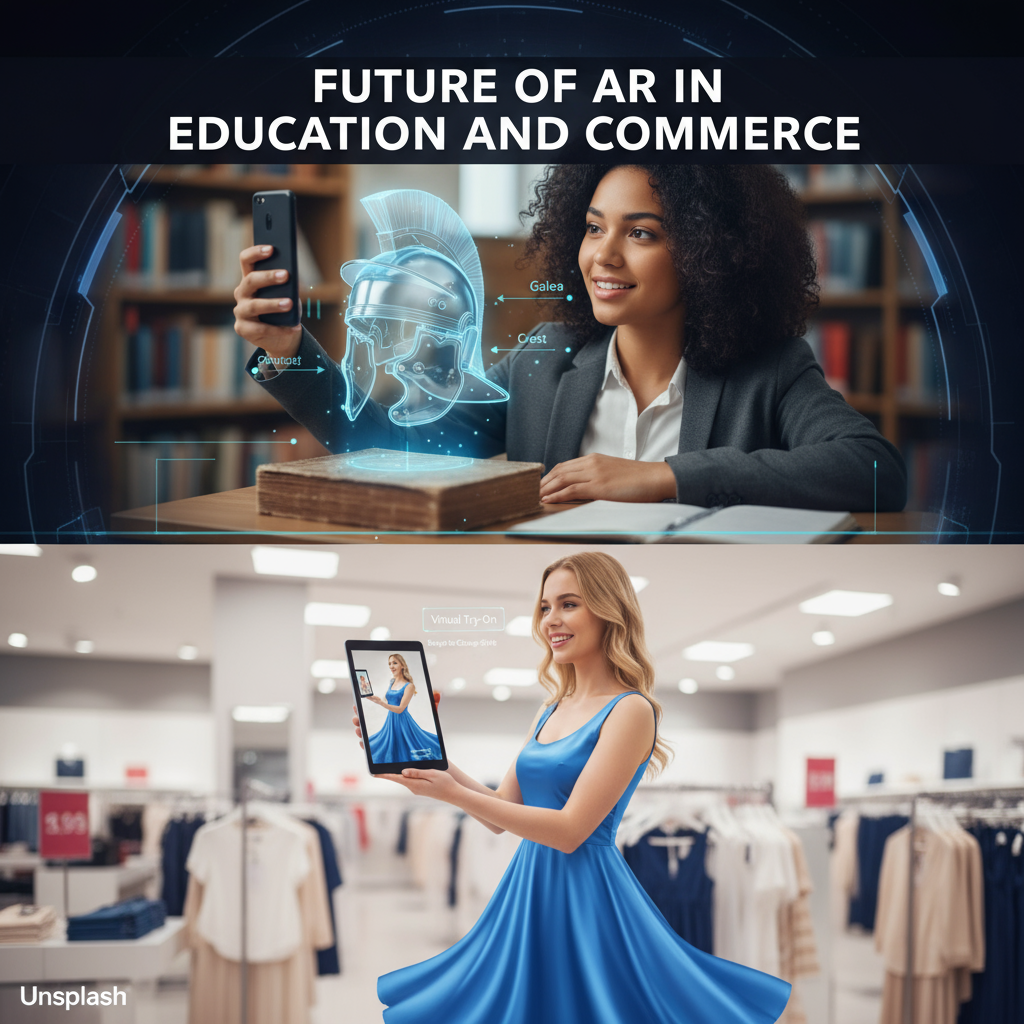
By improving visibility, AR democratizes knowledge. For instance, it can reveal the inner workings of a machine or highlight environmental data in real-time. As we explore how AR is used today and what the future holds, it’s clear this technology is not just a gimmick but a powerful tool for education, commerce, and beyond.
How Augmented Reality Is Used Today
Today, augmented reality is already embedded in everyday applications, supporting visibility across diverse sectors. In healthcare, AR enhances surgical precision by overlaying patient scans onto the operating field, allowing doctors to “see” inside the body without invasive procedures. This boosts accuracy and reduces risks, making complex anatomies visible in real-time.
Transitioning to manufacturing, AR supports visibility in maintenance and training. Workers wearing AR glasses can view step-by-step repair instructions projected onto machinery, minimizing downtime and errors. Companies like Boeing use AR to visualize aircraft wiring, turning invisible schematics into interactive guides.
In retail, AR apps like those from Sephora let customers virtually try on makeup, making product outcomes visible before purchase. This not only enhances the shopping experience but also reduces returns. Meanwhile, in navigation, apps like Google Maps’ Live View overlay directions onto the real world via your phone’s camera, improving spatial awareness in unfamiliar environments.
Building on these examples, AR’s current uses demonstrate its versatility. From education—where students dissect virtual frogs—to entertainment, where AR filters bring social media to life, the technology makes concepts visible and engaging, fostering better understanding and efficiency.
The Future of AR in Education and Commerce
Looking ahead, the future of augmented reality in education and commerce promises even greater visibility and innovation. In education, AR will transform classrooms into immersive learning hubs. Imagine history lessons where students use AR glasses to “walk” through ancient Rome, with overlaid reconstructions making historical events vividly visible. This hands-on approach could boost retention rates by up to 75%, according to studies from PwC. As AR hardware becomes more affordable, remote learning will evolve, allowing global collaboration on visible, interactive models—think virtual dissections or chemistry experiments without physical labs.
In commerce, AR will redefine shopping and marketing. Future e-commerce platforms could integrate AR for virtual showrooms, where customers visualize products in their homes at scale. Brands like Nike are already experimenting with AR sneakers that let users “try on” shoes virtually, but tomorrow’s advancements might include personalized AR ads that adapt to your environment, making promotions more relevant and visible. With the rise of 5G and AI, AR could enable real-time inventory checks in stores, overlaying stock levels on shelves for seamless visibility.
However, challenges like data privacy and device accessibility must be addressed. Overall, AR’s future in these fields points to a more connected, visible world, driving economic growth projected to reach $198 billion by 2025, per Statista.
Call to Action: Explore More on Our Website
Ready to dive deeper into augmented reality and its visibility-enhancing potential? Extend your visit to our website, full of science and commercial materials—all sourced from reliable experts. We support our work with affiliated items, such as AR development kits and educational tools, and feature moderate commercial advertising to keep content free and accessible. Check out our resources today and unlock the future of AR!
Augmented Reality Learner Outcomes Theme
Furthermore, Wu, Lee, Chang, & Liang, found AR helps learners visualize abstract concepts (2013).
For more information about Augmented Reality please visit our website ARBased.com and or watch the video link below.
Keywords
- Augmented reality
- AR visibility
- Augmented reality in education
- AR in commerce
- Future of augmented reality
- AR applications today
- Enhanced visibility with AR
- AR technology
